Popular New Zealand Wine Varieties: A Guide for Wine Lovers and Cycle Tourists
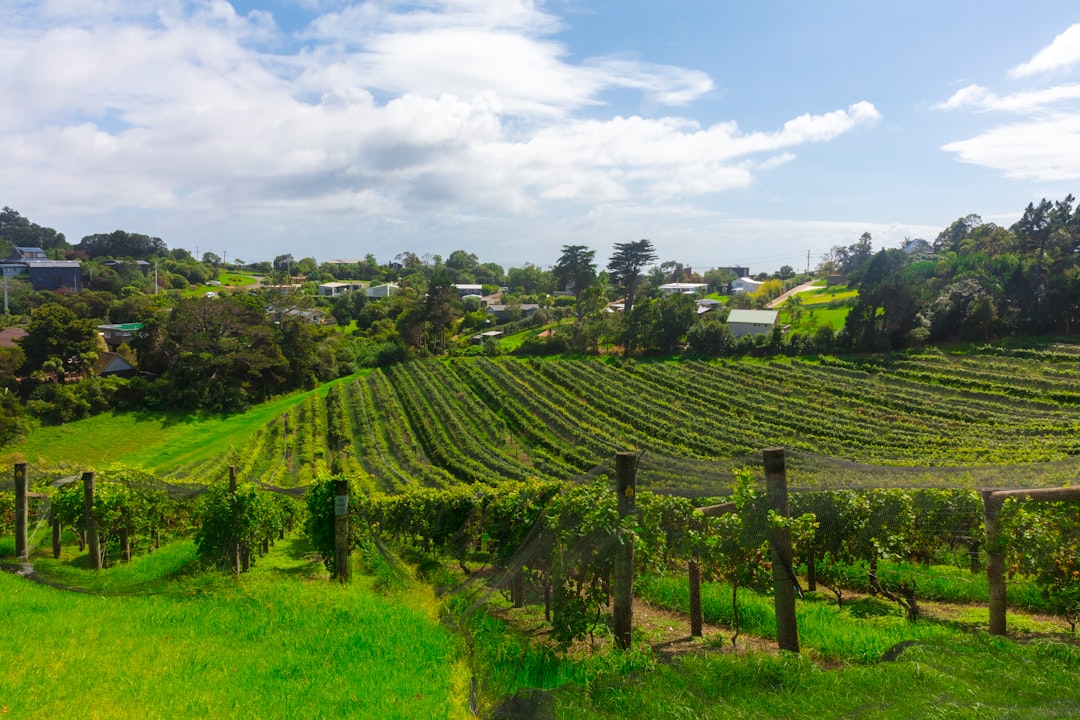
Sauvignon Blanc reigns supreme among the popular New Zealand wine varieties, yet the country offers so much more — from silky Pinot Noir to vibrant Pinot Gris and elegant Méthode Traditionnelle sparkling wines. For wine enthusiasts planning a visit, cycling through vineyards is one of the most memorable ways to taste these wines where they are made. Bike Hire Marlborough, based amongst the vines in the Marlborough region, helps visitors turn a wine trail into a leisurely, safe and scenic bike tour.
Why New Zealand Wines Stand Out
New Zealand punches well above its weight in the global wine scene. The country’s cool maritime climate, long sunlight hours during the growing season, diverse soils and relatively low disease pressure create conditions that favour bright acidity, expressive aromatics and refined fruit flavours. While other countries produce similar grape varieties, the local expression — often described as “clean”, “vibrant” and “pure” — is what makes these popular New Zealand wine varieties distinctive.
Different regions show different strengths. Marlborough’s cool, windy valleys and gravelly soils yield intense Sauvignon Blanc and expressive Pinot Noir. Central Otago’s dry continental climate supports ripe, concentrated Pinot Noir. Hawke’s Bay’s warm, sunny sites favour fuller-bodied reds like Syrah and Bordeaux-style blends. Understanding these regional nuances helps people choose where to cycle and which wines to prioritise on the tasting list.
Overview of Popular New Zealand Wine Varieties
The following profiles focus on varieties that visitors are most likely to encounter across New Zealand’s cellar doors, with practical tasting notes and pairing suggestions to enjoy on a bike-friendly picnic between vineyards.
Sauvignon Blanc — The Flagship
Profile: Zesty lime, passionfruit, green capsicum, gooseberry and fresh herb notes; bright acidity and a clean finish. Marlborough Sauvignons are often intensely aromatic and fruit-forward.
Where to taste: Marlborough (especially the Wairau Valley and Brancott) is the epicentre. Cellar doors typically pour multiple styles — from grassy and mineral to tropical and riper interpretations.
Food pairing: Seafood, green salads with citrus dressings, goat’s cheese, shellfish and raw oysters.
Tasting tip: Ask for a flight showing different vineyard blocks or barrel-fermented examples to appreciate stylistic range.
Pinot Noir — Elegant and Versatile
Profile: Red cherries, raspberry, earth, mushroom and spicy oak when aged. Styles range from light and ethereal to more concentrated and savoury depending on region and vintage.
Where to taste: Marlborough produces fine Pinot Noir; Central Otago and Martinborough are also celebrated. Marlborough’s warmer pockets can produce more fruit-driven examples, while Central Otago tends to be riper and more intense.
Food pairing: Roast poultry, salmon, porcini dishes, and charcuterie.
Tasting tip: If offered a vertical tasting (same vineyard across vintages), it reveals how New Zealand Pinot ages and adapts to seasonal variation.
Chardonnay — Textured and Ageworthy
Profile: Citrus, stone fruit, brioche and toasty oak in styles that range from crisp and unoaked to rich, creamy examples aged in French oak.
Where to taste: Hawke’s Bay, Gisborne and Marlborough produce strong Chardonnays. Look for regional labels that mention older vine parcels or barrel fermentation.
Food pairing: Lobster, creamy pasta, roast chicken and buttery fish dishes.
Tasting tip: Try both unoaked and barrel-fermented versions to see how fermentation and oak influence texture and flavour.
Pinot Gris — Aromatic and Food-Friendly
Profile: Pear, apple, spice and subtle honey notes; can be bone-dry to off-dry with a rounded mid-palate.
Where to taste: Widely planted across the top of the South Island and in parts of the North Island, Pinot Gris is a cellar-door staple.
Food pairing: Asian-inspired dishes, pork, creamy cheeses and mildly spiced plates.
Tasting tip: Look for clarity on the label about residual sugar — it helps determine which food pairings will work best.
Riesling — Crisp to Luscious
Profile: Lime, green apple, petrol (in aged examples), and floral notes. New Zealand Riesling spans dry to sweet styles and is prized for its piercing acidity and longevity.
Where to taste: Nelson and Canterbury produce expressive Rieslings; Marlborough has some excellent examples too.
Food pairing: Spicy cuisine, cured meats, blue cheeses and fruit-based desserts for sweeter styles.
Tasting tip: Don’t be put off by the petrol note — in older Rieslings it indicates complexity rather than fault.
Gewürztraminer — Perfumed and Bold
Profile: Lychee, rose petal, spice and tropical fruit. It’s aromatic and often richer, with a savoury side in cooler climate examples.
Where to taste: Found in cooler pockets, especially in Nelson and small parcels in South Island vineyards.
Food pairing: Strong cheeses, spicy Asian dishes (Thai, Indian), and rich pork dishes.
Syrah/Shiraz — From Peppery to Plush
Profile: Dark berry fruit, pepper, game, and savoury meaty notes. Hawke’s Bay produces some of the country’s best Syrah, with Marlborough offering more peppery, medium-bodied styles.
Where to taste: Hawke’s Bay and Gimblett Gravels are prominent, but increasingly bottles from Marlborough and Nelson show interesting expressions.
Food pairing: Barbecue, lamb, smoked meats and earthy mushroom dishes.
Other Varieties and Sparkling Wines
New Zealand also grows Cabernet Sauvignon, Merlot, Malbec and lesser-known aromatic varieties. Méthode Traditionnelle sparkling wines (made from Chardonnay and Pinot Noir grapes) have won acclaim, particularly when assembled from cooler sites that provide refreshing acidity.
Food pairing for sparkling: Shellfish, fried snacks, and celebratory canapés — a sparkling bottle pairs well with the picnic-style grazing many cyclists enjoy.
Marlborough Spotlight: What Makes Its Wines Special
Marlborough, where Bike Hire Marlborough is based among the vines, is synonymous with Sauvignon Blanc but also produces fantastic Pinot Noir, Chardonnay and sparkling wines. The region’s long sunlight hours, cool nights and well-draining gravels let grapes ripen slowly, building concentrated flavour while retaining bright acidity.
Within Marlborough, different valleys and subregions — including the Wairau Valley, Awatere Valley and the Southern Valleys — show subtle differences. The Wairau Valley tends to be warmer with expressive fruit; the Awatere is cooler and windier, producing a leaner, more mineral style; the Southern Valleys feature rolling hills and well-sheltered sites producing elegant, textured wines.
How to Plan a Bike-and-Wine Day in Marlborough
Cycling provides a relaxed pace ideal for tasting, exploring and savouring the landscape. The following practical advice helps visitors make the most of a wine-focused cycling day while staying safe and respectful of the wineries.
Choose the Right Bike and Gear
- Bring or rent a comfortable hybrid or upright bike to handle vineyard tracks and quiet backroads. Bike Hire Marlborough provides well-maintained bikes and local route advice to suit varying fitness levels.
- Wear a helmet, comfortable clothing, and consider padded shorts for longer rides. Sunscreen and sunglasses are essential — Marlborough’s sun can be intense, even on cool days.
- Carry a small backpack or pannier for purchases. Ask the bike hire company about lockable panniers or bottle carriers so wine can be transported safely to your accommodation.
Plan Your Route and Winery Stops
Sample itineraries reduce unnecessary travel and maximise tasting time.
- Half-Day Loop (relaxed): 10–20 km. Three cellar doors with a long lunch stop at the second winery. Ideal for casual tasters and groups wanting a gentle ride.
- Full-Day Route (explorer): 30–50 km. Visit four to six cellar doors, with a picnic or vineyard lunch and time to sample a few bottles for purchase.
- Multi-Day Adventure: Combine stays in Blenheim or nearby guesthouses with 2–3 short cycling days, allowing more time for cellar door experiences and winery tours.
Bike Hire Marlborough can help by recommending scenic loops through the Wairau and Southern Valleys, suggesting wineries that offer food and picnic options, and advising on seasonal accessibility (some backroads can be dusty or muddy depending on weather).
Tasting Logistics and Etiquette
- Book tastings in advance, especially on weekends or during harvest season. Many cellar doors have limited capacity and prefer bookings for groups.
- Limit the number of tastings per winery to savour the experience; many people choose 3–5 tastes at each cellar door.
- Use spittoons when sampling multiple wines — it keeps senses sharper and allows more tasting without overindulgence.
- Be mindful of winery rules: some estates restrict cycling through their working areas, and some require a short walk from the main road.
Safety and Responsible Tasting
Cycle tourism in wine country is about balance: enjoyment and safety. Buyers should remember that even small amounts of alcohol can impair balance and judgement on a bike. Practical strategies include:
- Set a sensible limit for tastings per person and take breaks to hydrate and eat.
- Plan shorter cycling legs between cellar doors and incorporate ample time for rest and food.
- Consider carrying a single bottle for later enjoyment rather than riding with uncorked bottles.
- If anyone in the group prefers not to cycle after tasting, arrange a shuttle transfer, taxi or designated driver for the return.
Route maps and local advice emphasise safety and can show short legs between cellar doors and places to stop for food and water. They’ll also advise on local transport options if the group prefers not to cycle back to their accommodation.
Top Tasting Tips for New Zealand Wines
Knowing a few tasting techniques helps visitors better appreciate the nuances of popular New Zealand wine varieties.
- Look: Observe the wine’s colour and clarity. Lighter hues often indicate freshness or youth; deeper hues can indicate concentration or oak influence.
- Smell: Swirl gently to release aromatics. New Zealand Sauvignon Blanc often explodes with aromatic energy, while Pinot Noir reveals more subtle red-fruit and savoury layers.
- Taste: Note acidity, tannin, body and length. Acid makes wines food-friendly and refreshing — a signature of New Zealand whites.
- Ask Questions: Cellar door staff love to talk about vineyard sites, vinification and food matches. Ask about single-vineyard releases or small-batch wines for something special to take home.
Wine-and-Food Pairings to Try on the Road
Pairing wines with picnic-style food makes a cycling wine day feel celebratory without requiring a formal meal. Here are some simple pairings that work well on a vineyard bench or a shady roadside stop.
- Sauvignon Blanc: Oysters, prawn skewers, goats’ cheese and green salads.
- Pinot Gris: Pork belly bites, aromatic noodle salads and creamy pâté.
- Chardonnay (unoaked): Grilled fish and citrusy slaws.
- Chardonnay (oaked): Buttered lobster rolls, smoked salmon and richer cheeses.
- Pinot Noir: Charcuterie, roasted beetroot salad, seared tuna and duck croquettes.
- Riesling: Spicy Asian dishes, preserved lemons, or a simple dish of pork and apple chutney.
- Sparkling: Anything salty or fried — think calamari or crisp potato rosti.
Shopping and Transporting Bottles
Buying bottles is part of the fun. To ensure wine makes it home safely, consider:
- Using padded bottle sleeves or a lockable pannier supplied by the bike hire provider.
- Asking the winery to courier bottles home — many New Zealand wineries offer reliable shipping domestically and internationally.
- Storing bottles upright in a cool spot at your accommodation if transporting them later by car.
Bike Hire Marlborough is happy to advise on practical solutions for carrying purchases and how to coordinate pick-up or delivery with cellar doors.
Seasonality: When To Visit
Each season offers a different experience in the vineyards:
- Spring (September–November): Vines leafing out, mild weather, fewer crowds. Great for seeing vine growth and enjoying quieter cellar doors.
- Summer (December–February): Warm sunny days and lively tasting rooms. Peak season for visitors and outdoor lunches.
- Autumn (March–May): Harvest time in many areas; a fantastic time to see the winery buzz and sample freshly pressed wines. Cooler nights create beautiful cycling weather.
- Winter (June–August): Quieter and cooler. Many vineyards are peaceful, and cellar doors are cosy — but some backroads can be damp.
Planning ahead is essential in summer and during harvest. Booking bikes and tastings early ensures a smooth experience.
Five Classic Bike-and-Wine Day Itineraries
Below are example itineraries tailored to different tastes and energy levels. Distances are approximate; Bike Hire Marlborough provides precise route maps and local advice to suit weather and group ability.
1. Easy Loop: Vineyard Stroll (Half Day)
- Distance: 10–15 km
- Stops: Two cellar doors with a long lunch at the second.
- Why it’s great: Relaxed pace, ideal for first-time wine cyclists or older travellers.
2. Full-Day Tasting Trail
- Distance: 30–40 km
- Stops: Four cellar doors with a picnic among the vines.
- Why it’s great: Plenty of variety — whites in the morning, reds in the afternoon.
3. Spirited Sparkling and Chardonnay Route
- Distance: 25–35 km
- Stops: A couple of sparkling producers and two chardonnay-focused cellar doors.
- Why it’s great: A sophisticated tasting day with elegant, chilled wines perfect for warm weather.
4. Pinot Noir Passion (Intermediate)
- Distance: 40–50 km
- Stops: Multiple Pinot Noir producers across rolling hills.
- Why it’s great: Wine lovers chase terroir differences and vineyard expression.
5. Multi-Day Wine Explorer
- Distance: Variable
- Stops: Mix of cellar doors across the Wairau and Awatere Valleys, with one day in the Southern Valleys.
- Why it’s great: Time to slow down, taste deeper and enjoy winery lunches without rushing.
Bike Hire Marlborough can recommend and tailor these itineraries based on group size, fitness and wine preferences.
How to Make the Most of Cellar Door Visits
A cellar door visit is more than a tasting; it’s a chance to connect with the people behind the wine. To get the richest experience:
- Ask about vineyard practices — organic, biodynamic or sustainable approaches often influence flavour and story.
- Request to see the vineyards or the winemaking area if the winery offers tours; it adds context to what’s in the glass.
- Buy a bottle or two from producers you love — many small-batch wines aren’t widely distributed.
- Be polite and mindful of staff time, especially at small boutique operations.
Why Bike Hire Marlborough Fits Wine Travel
Bike Hire Marlborough is ideally placed for travellers who want to combine gentle exercise with relaxed tasting. Based amongst the vines, the company understands local roads, the best times to cycle between cellar doors and which wineries welcome cyclists. Their local knowledge helps visitors craft itineraries that suit energy levels and tasting preferences, while their bikes, safety gear and route advice make the experience straightforward and enjoyable.
For groups that want to spend more time at one or two stand-out estates, Bike Hire Marlborough suggests shorter routes or recommends lunch stops where a longer stay is possible. For those seeking variety, the company maps out routes with easy legs between multiple cellar doors so guests can savour more wines without feeling rushed.
Sustainability and Responsible Tourism
Many New Zealand wineries are committed to sustainable viticulture, from water management to biodiversity projects. Cycling between cellar doors is itself a low-impact way to travel — it reduces the need for cars and lets visitors experience the landscape intimately. Visitors should respect private land, stick to public roads and marked trails, and support eco-friendly producers.
Conclusion
Popular New Zealand wine varieties offer a palette of flavours that suit almost any palate — from the zesty punch of Marlborough Sauvignon Blanc to the layered finesse of Pinot Noir and the celebratory sparkle of méthode traditionnelle. Cycling is an ideal way to experience these wines at the source: it slows the pace, sharpens the senses and lets visitors savour both the bottles and the scenery.
Bike Hire Marlborough brings local expertise, bike options and practical route planning to make a wine country cycling experience both safe and memorable. Whether someone wants a gentle half-day loop or a multi-day tasting adventure, the combination of world-class wines and vine-lined cycling routes makes Marlborough a special destination for wine enthusiasts and outdoor-minded travellers alike.
Frequently Asked Questions
Which are the most popular New Zealand wine varieties to taste in Marlborough?
Marlborough is best known for Sauvignon Blanc, followed by Pinot Noir, Chardonnay, Pinot Gris and sparkling wines. Visitors will find a wide range of styles from aromatic and zesty to barrel-fermented and textured examples.
Is it safe to cycle between wineries after tasting?
Cycling is safe when done responsibly. Limit the number of tastings, keep rides short between stops, hydrate, eat and use spittoons. Bike Hire Marlborough offers route advice to avoid long stretches and suggests sensible daily distances.
How many wineries can a group visit in a day by bike?
Typically, 3–6 cellar doors are manageable in a full day depending on distances, the number of tastings per stop and how long the group wants to linger for lunch or tours.
Can Bike Hire Marlborough help carry wine purchases?
Yes — Bike Hire Marlborough can advise on carrying purchases safely and often provides pannier or storage solutions. They also recommend asking wineries about couriering bottles home if transporting them by bike is impractical.
When is the best time of year for a cycling wine tour?
Spring and autumn are ideal for pleasant cycling weather and fewer crowds. Summer offers longer days and vibrant outdoor dining but is busier. Harvest season in late summer to early autumn is lively and rewarding if guests want to see winemaking in action.