Marlborough Wine Regions Overview
The Marlborough wine regions overview explains why this compact pocket of New Zealand produces some of the world’s most celebrated wines, how its subregions differ, and the best ways to experience the vineyards — especially by bicycle. Wine tourists and enthusiasts will find practical routes, tasting tips, and sensible planning advice tailored for those who want to explore Marlborough’s cellar doors on two wheels.
Why Marlborough Matters
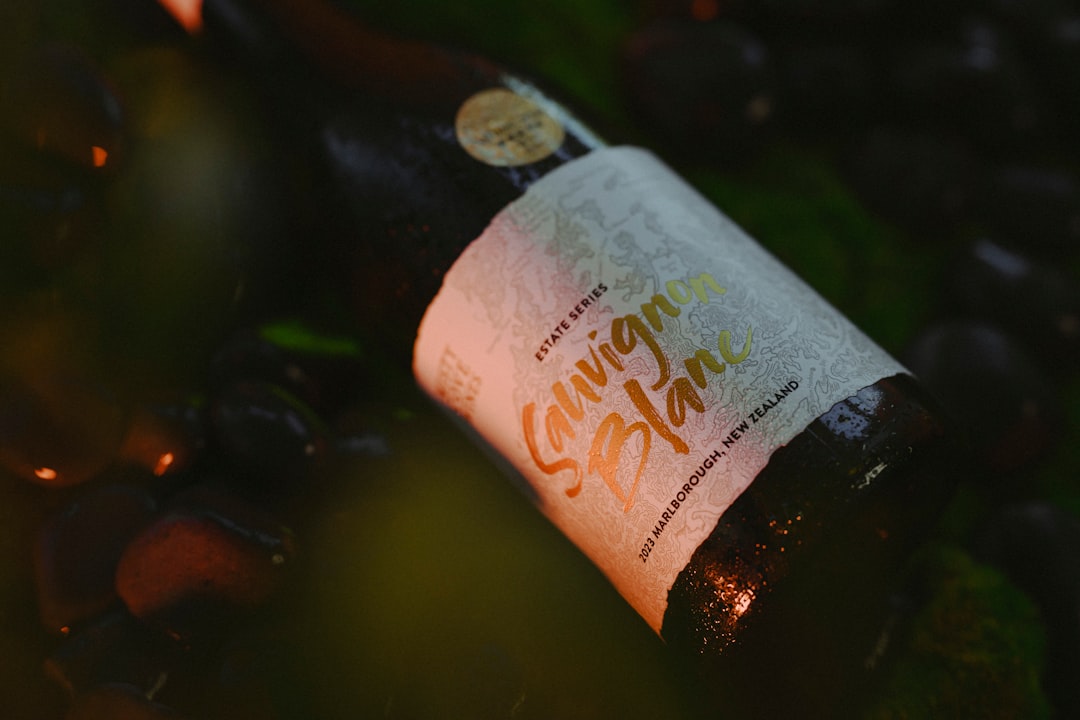
Marlborough sits at the northern tip of New Zealand’s South Island and punches far above its weight in the international wine scene. The region is synonymous with a distinctive, vibrant style of Sauvignon Blanc that helped define New Zealand’s wine identity across the globe. Beyond that headline-grabbing variety, Marlborough also produces notable Pinot Noir, Chardonnay, Pinot Gris and a range of aromatic wines.
Part of Marlborough’s success comes from a combination of climate, geology and viticultural know-how. Plenty of sunshine, cool nights, free-draining soils and the moderating influence of nearby Pacific breezes create ideal conditions for grapes to ripen with crisp acidity and intense flavours. The result: wines that are immediately appealing, food-friendly and very popular with international and domestic visitors alike.
The Three Main Subregions
Marlborough is often described as three distinct subregions — the Wairau Valley, the Awatere Valley and the Southern Valleys. Each has its own personality, and understanding those differences helps visitors choose which cellar doors to prioritise on any cycling tour.
Wairau Valley
The Wairau Valley is Marlborough’s heartland — home to the largest concentration of vineyards and cellar doors. Vineyards sprawled across gently undulating terraces create a picturesque landscape that’s particularly suited to relaxed rides between tastings. Soils here are a mix of alluvial gravels and clay, offering good drainage and warmth-retaining properties.
Wairau’s microclimate provides consistent ripening, and it’s where many of the region’s iconic Sauvignon Blancs take shape: bright, herbaceous and fruit-forward. For cyclists, it’s the most accessible area, with a cluster of wineries close to towns such as Renwick and Blenheim.
Awatere Valley
Further east and closer to the coast lies the Awatere Valley. It’s windier, cooler and generally drier than the Wairau, producing wines with slightly more restrained, mineral-driven characters. The soils are coarser — gravels and stones that force vines to struggle a little, which often contributes to concentration and complexity in the wines.
Awatere’s landscape is more dramatic and open, with wide sky views and long stretches between cellar doors. Cyclists who prefer quieter roads and a wilder feel will enjoy the Awatere, but they should be prepared for longer distances and windier conditions.
Southern Valleys
The Southern Valleys fan out to the south of Blenheim and include smaller, more sheltered sites. Those valleys create microclimates that can produce elegant, nuanced expressions of Pinot Noir and Chardonnay alongside Sauvignon Blanc. Vineyards here can be more intimate, with family-run estates and boutique producers often offering personalised tastings.
For those seeking a quieter, more varied tasting itinerary, the Southern Valleys provide a lovely contrast to the busier Wairau Valley lanes.
Key Grape Varieties and Wine Styles
Marlborough is diverse by virtue of microclimates and modern winemaking. Some varieties and styles visitors should look out for include:
- Sauvignon Blanc — Marlborough’s calling card. Expect zesty citrus, passionfruit, green capsicum and fresh herbal notes with crisp acidity. Styles range from lean and mineral to ripe and tropical.
- Pinot Noir — Increasingly important here. Marlborough Pinot Noir often shows bright red fruits, a gentle earthiness and silky tannins.
- Chardonnay — From lean, mineral-driven wines to richer, barrel-influenced styles; many producers favour a balanced approach that keeps freshness.
- Pinot Gris and Riesling — Aromatic whites that perform well in cooler pockets, offering everything from dry, textured examples to sweeter styles.
- Blends and Experimental Varieties — Many producers experiment with Rhône and Italian varieties or craft boutique blends, so there’s always something new to discover.
When to Visit and What to Expect
Marlborough enjoys a temperate maritime climate with plenty of sunshine. The vineyard year shapes the visitor calendar:
- Spring (September–November) — Budburst, budding vines and a sense of renewal. Wineries begin opening for the season and the countryside is green and fresh.
- Summer (December–February) — Warm, long days ideal for cycling and outdoor tastings. Cellar doors are lively and many estate restaurants are open.
- Autumn (March–May) — Harvest time in late summer to early autumn. It’s an exciting period with harvest activity and a good time to witness winemaking in action.
- Winter (June–August) — Quiet and peaceful, with fewer crowds. Some smaller cellar doors may be closed, but off-season rates and availability can be tempting.
Peak tourist periods are the summer months and key public holidays. Booking bike hire and tasting appointments in advance is recommended during these times.
Exploring Marlborough on Two Wheels
Cycling through Marlborough’s vineyards is ideal: the region’s network of relatively quiet country roads and gentle gradients makes for pleasant rides between cellar doors. Bike Hire Marlborough, based amongst the vines, specialises in rentals that let visitors explore the region at their own pace. Their locally maintained bikes and route knowledge can turn a good day into a memorable one.
Why choose cycling?
- It’s social — groups can ride together and stop whenever a view or a tasting room calls.
- It’s safe — riding reduces the need to designate a driver and lets everyone share the tasting experience.
- It’s sustainable — cycling minimises the trip’s environmental footprint and supports slower tourism.
What Bike Hire Marlborough Provides
Bike Hire Marlborough operates from a vineyard setting, making collection straightforward and scenic. They typically supply:
- Well-maintained bicycles (including hybrid and e-bike options)
- Helmets, panniers and locks
- Local maps and suggested routes tailored to the rider’s fitness and time available
- Advice on cellar doors that are welcoming to cyclists
These services make self-guided wine tours stress-free. Cyclists can enjoy multiple cellar doors in a day, store purchases securely in panniers, and rely on local support if they need route changes or assistance.
Planning Routes: Easy Rides to More Adventurous Loops
Marlborough offers a range of cycling itineraries, from relaxed loops that allow lots of tasting stops to longer routes for the more active rider. Below are sample rides that balance scenery, wine and enjoyment.
Half-Day Leisure Loop (Beginner)
- Distance: 10–20 km
- Time: 3–4 hours including tastings
- Highlights: Short hops between cellar doors near Renwick, flat-to-gently-rolling roads, vineyard views
- Who it suits: Couples or small groups wanting a relaxed tasting morning or afternoon
This loop lets visitors visit two or three cellar doors and enjoy a relaxed vineyard lunch without a long ride. It’s perfect as a warm-up or for those who prefer more tasting than pedalling.
Full-Day Wairau Valley Circuit (Intermediate)
- Distance: 40–60 km
- Time: Full day with multiple tastings and a leisurely lunch
- Highlights: A mix of boutique and larger cellar doors, riverside stretches, and several scenic outlooks
- Who it suits: Cyclists comfortable with a day’s ride who want to visit several well-known producers
This route typically starts from a central pick-up point, takes in several cellar doors in the Wairau Valley, and includes a long lunch at a winery restaurant. E-bikes make the distance very approachable.
Awatere Explorer (Experienced)
- Distance: 60–100 km (long stretches between wineries)
- Time: Full day or an overnight trip
- Highlights: Open landscapes, coastal breezes, mineral-driven wines
- Who it suits: Confident cyclists or groups who like more solitude and longer rides
Awatere’s roads are quieter and more exposed, so wind and distance are factors. It rewards riders with stunning scenery and the chance to visit wineries that show a distinct, coastal influence.
Two-Day Southern Valleys Escape
- Distance: 30–60 km per day
- Time: Two days with an overnight stay in Renwick or Blenheim
- Highlights: Small family wineries, boutique tastings, relaxed pace
- Who it suits: Visitors who want to immerse themselves, enjoy multiple wine styles and take a more leisurely approach
An overnight stay lets cyclists savour more cellar door experiences and enjoy a winery dinner without rushing back for boat or flight connections.
Top Wineries and Cycle-Friendly Cellar Doors
Many cellar doors in Marlborough are welcoming to cyclists, often providing secure parking, picnic areas and flexible tasting formats. A few well-known producers that are popular on cycling itineraries include:
- Cloudy Bay — An iconic name internationally recognised for expressive Sauvignon Blanc and elegant Chardonnay. Their cellar door is a popular stop for visitors.
- Dog Point Vineyard — Known for distinctive, textured Sauvignon Blanc and age-worthy wines; a favourite among those seeking boutique quality.
- Brancott Estate — Historic vineyards with a large visitor presence and a convenient tasting facility.
- Saint Clair — A long-standing Marlborough producer with a welcoming cellar door and a reputation for consistent wines.
- Allan Scott — Family-run estate with a strong local presence and approachable tastings.
- Yealands — Based in the Awatere Valley, Yealands produces wines that reflect the coastal influence and often feature sustainability credentials.
Note: availability, opening hours and facilities vary. It’s good practice to check cellar door websites or call ahead to confirm tasting times and whether bikes can be stored safely while sampling.
Responsible Tasting and Safety on a Bike Tour
Cycling and wine-tasting pair wonderfully when done responsibly. Safety and consideration help everyone enjoy the day.
Tips for Safe, Enjoyable Tasting
- Plan the itinerary sensibly: fewer tastings with more enjoyment beats rushing through many samples.
- Set a tasting limit: for example, three standard tastings per winery or agree on tasting pours ahead of time.
- Alternate water and wine: staying hydrated helps the palate and reduces the effects of alcohol.
- Bring a small picnic or plan a winery lunch: this slows the pace, complements the wines and reduces the need to ride immediately after multiple tastings.
- Use a designated cyclist system: rotate who does the longer stretches of pedalling if someone prefers to taste more.
- Wear a helmet and bright clothing; follow road rules and be mindful of traffic and agricultural vehicles.
Bike Hire Marlborough emphasises safety and local knowledge. Their staff will typically help riders match route difficulty to fitness, suggest cycle-friendly cellar doors and ensure bikes are in good condition before riders depart.
Practical Planning: Booking, What to Pack and Logistics
Small details make a big difference when exploring Marlborough’s wine regions by bike. Here are practical tips arising from local experience:
Booking and Timing
- Reserve bikes in advance, especially during summer and festival periods.
- Make cellar door bookings for larger groups — many wineries require or recommend appointments for group tastings.
- Start early to avoid the hottest midday hours and to give yourself time for a leisurely lunch and multiple tastings.
What to Pack
- Comfortable clothing and a light waterproof layer — weather can change unexpectedly.
- Sun protection: hat, sunglasses and sunscreen.
- Reusable water bottle to refill during the day.
- Panniers or a backpack for purchases — bottles travel more safely in padded spaces.
- Phone, charger and a printed map or offline map app, in case of poor signal.
Transport and Accommodation
Most visitors use Blenheim or Renwick as bases. Both towns offer a range of accommodation, from boutique B&Bs and vineyard stays to hotels and motels. If riders plan to cycle without returning to their base each evening, arranging luggage transfer or staying overnight in a different spot is straightforward with local providers.
Sustainability, Organic Practices and Local Culture
Sustainability is increasingly important in Marlborough. Many producers have adopted methods to reduce water use, protect soils and lower carbon footprints; some farms practise organic or biodynamic viticulture. Visitors interested in sustainability should look for cellar doors that explain their environmental credentials and are often happy to discuss vineyard practices during tastings.
Local culture is warm and welcoming. Many cellar doors are family-run, and staff enjoy sharing stories about the vineyard, winemaking choices and the local landscape. Cyclists who show curiosity and respect for vineyard rules will often receive a richer, more personalised tasting experience.
Sample Itineraries for Different Tastes
Below are three sample itineraries that combine scenic cycling with excellent tasting opportunities. Times and distances are illustrative; Bike Hire Marlborough can help customise these plans based on fitness and preferences.
Gentle Half-Day: “First Taste”
- Pick up bikes from a vineyard base near Renwick.
- Cycle a short loop to two nearby cellar doors for morning tastings (2–3 hours).
- Finish with a relaxed vineyard picnic or a café lunch back near the base.
Ideal for first-time visitors, couples or those who prefer a short, scenic ride coupled with relaxed tasting.
Full-Day Highlights: “Classic Circuit”
- Collect e-bikes for a comfortable full-day ride.
- Ride through the Wairau Valley, stopping at three cellar doors with a long winery lunch.
- Finish mid-afternoon with coffee and a gentle return ride.
This itinerary balances tasting variety and scenic riding, and e-bikes make it accessible to most fitness levels.
Two-Day Escape: “Deep Dive”
- Day one: Wairau tastings and a vineyard dinner, overnight in Renwick.
- Day two: southern valleys exploration, including boutique producers and a relaxed lunch in a vineyard setting.
Perfect for those who want to linger, taste deeper and sample both mainstream and boutique offerings.
How to Get the Most from Each Tasting
Tasting wine is more than comparing aromas — it’s about context. A few simple practices help visitors enjoy each stop:
- Smell first, then sip: take time to pick out fruit, herb, floral and mineral notes.
- Ask questions: cellar door staff are a great source of background on vineyard practices, vintage differences and food pairings.
- Note favourites: keep a simple tasting log on a phone or notebook to remember wines to purchase later.
- Consider buying at the cellar door: often there are exclusive small-production wines only available on site.
Safety, Etiquette and Local Rules
Respecting vineyard etiquette and local regulations ensures a smooth day of exploring:
- Follow signage and stay on public roads or designated visitor paths — vineyards are working farms.
- Do not bring outside glass onto some winery lawns or picnic areas if prohibited.
- Tip: tipping is not widespread in New Zealand as service staff are generally paid a living wage, but leaving positive feedback or buying a bottle to support smaller operators is a welcomed gesture.
Why Choose Bike Hire Marlborough?
Bike Hire Marlborough situates itself among the vines, providing a convenient and authentic starting point for cycling through the region. They focus on offering reliable bikes, local route knowledge and practical gear so visitors can concentrate on sunsets, vineyards and tastings rather than the logistics.
For visitors who want to avoid driving between cellar doors, a self-guided cycling tour organised through a local hire company offers flexibility, safety and a genuinely local perspective. Combining cycling with wine tasting keeps the day active, social and memorable — and it often results in better conversations and more relaxed decisions about which wines to take home.
Conclusion
This Marlborough wine regions overview highlights why the area is such a rewarding destination for wine lovers and active travellers. From the bright, signature Sauvignon Blancs of the Wairau Valley to the coastal influence of the Awatere and the intimate charm of the Southern Valleys, there’s a style and setting to match most tastes. Cycling between cellar doors adds freedom and enjoyment to the experience — and Bike Hire Marlborough offers the tools, local know-how and practical support to make those vineyard rides safe and fun.
Whether a visitor names Marlborough as the main stop on a New Zealand trip or a delightful detour, combining good wine with fresh air and scenic cycling turns a tasting day into a story worth telling.
Frequently Asked Questions
Is cycling between wineries safe for beginners?
Yes. Many of Marlborough’s vineyard roads are quiet and gently rolling, making them suitable for beginners. Renting an e-bike from a local provider such as Bike Hire Marlborough can make distances and small climbs easier. Always wear a helmet, follow road rules and choose a route that matches the rider’s comfort level.
Do cellar doors accept cyclists and provide secure places to leave bikes?
Many cellar doors welcome cyclists and provide a safe place to park bikes, but policies vary. It’s wise to call ahead or check a winery’s website for visitor information. Bike Hire Marlborough can recommend cycle-friendly cellar doors and suggest where to store equipment during tastings.
How many wineries can a group realistically visit in a day?
That depends on pace and distance. A relaxed full-day tour typically includes three to five cellar doors, allowing time for tastings, a long lunch and short rides between stops. Prioritise quality over quantity to avoid palate fatigue.
Are e-bikes available and are they recommended?
E-bikes are available from many local hire companies and are highly recommended for those who want to extend their range, ride more comfortably, or manage hilly segments without fatigue. They make Marlborough’s routes accessible to a wider range of fitness levels.
What’s the best season to see the vineyards at their most photogenic?
Spring brings budburst and lush vineyards, while late summer and early autumn (February–April) offer harvest activity and golden light — both seasons are particularly photogenic. Summer provides reliably warm weather for cycling and outdoor tastings.